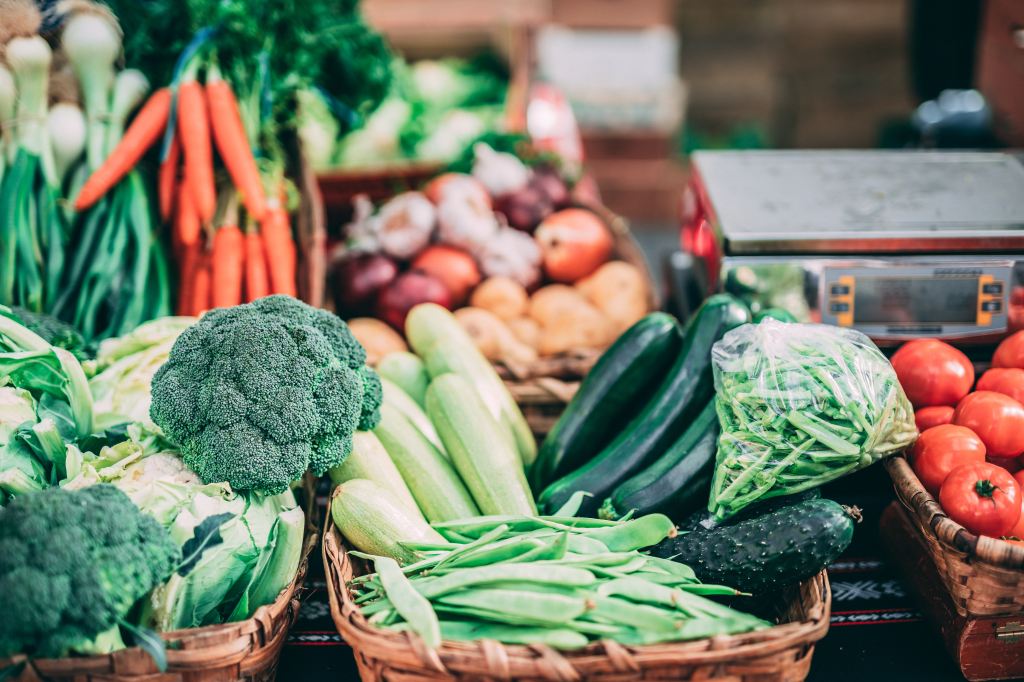
Growing your own fruit and vegetables in your garden or an allotment can be immensely beneficial for your health, your wallet and the environment. Although maintaining a bountiful vegetable patch takes time, patience and perseverance, the rewards are worth the effort.
It’s no secret that home-grown produce tastes better and makes you feel better. However, there are numerous factors that contribute to the quality of your home-grown produce. Let’s explore some of the ways you can make your crops taste even better.
Start Small
If you’re relatively new to the world of gardening, starting with a small plot of land or a window box is the best way to get to grips with your new hobby. Managing a large vegetable patch or allotment can be overwhelming, even for seasoned gardeners. As such, the quality of your plants may suffer. Instead, focus your efforts on a small selection of fruit or veg. Moreover, be selective about your starter crops – some plants are more beginner-friendly than others. Opt for famously foolproof varieties such as potatoes, salad greens, garlic, spring onions and herbs.
Organic Growing
It is commonly accepted that organic food tastes better. Although some may contest this opinion, there are no downsides to growing your crops in high-quality, well-nourished soil devoid of harmful chemicals and pesticides. Growing organically means only using natural animal and plant products in your garden to create a safe, beneficial ecosystem for birds, bees and other valuable members of the animal kingdom. Organic growing also benefits the environment as a whole, as it helps to reduce our collective carbon footprint and combat climate change.
Companion Planting
Companion planting is the concept of planting two or more separate species of plants in close proximity to each other so they can reap mutual benefits, such as a reduced risk of pests and improved crop quality. Companion planting may even aid pollination. A renowned, tried and tested example of companion planting is tomatoes and basil – many experts believe planting basil next to tomatoes helps improve fruit quality and proliferation. You can even plant some marigolds nearby to keep whitefly away from your tomatoes.
Natural Pest Control
There are conflicting opinions regarding the health effects of consuming fruit and veg treated with harsh pesticides, fungicides and herbicides. However, most agree that opting for natural pest control alternatives is, overall, better for the environment and the grower. As well as companion planting, you could spray your plants with a diluted neem oil solution to protect them against insects, mites and fungus. You could also attract beneficial predators to your garden, such as ladybirds and beetles, by planting perennial hedgerows and creating a wildlife pond.
Sufficient Light Exposure
Each plant species has its own needs and preferences regarding sunlight exposure. Inadequate levels of sunlight may lead to stunted growth and poor fruit development. When choosing the perfect spot for your crops, consider how much sunlight they will receive and arrange them accordingly. You may be able to increase the quality of your sun-loving greenhouse crops by adding grow lights to substitute sunlight and stimulate the photosynthesis process. You can purchase grow lights from UK grow shops or online.
Nourish Your Soil
As previously mentioned, the quality of your soil is paramount to the standard of your crops. High-quality, well-draining soil rich in nutrients is vital for sustaining plant growth. One of the quickest, easiest and most effective ways to improve your soil quality is to add organic compost, ideally, one you’ve made yourself by mixing three parts carbon-rich brown materials such as leaf mulch, wood ash and shredded cardboard with one part green materials, such as vegetable scraps, coffee grounds and hedge clippings. You can also add aged farmyard manure, which is packed with essential nutrients like nitrogen and phosphorus. Here are some more tips for improving the quality of your garden soil.
Harvest Just Before Eating
When you harvest fruit and vegetables, the natural sugars quickly start turning to starches – this is one of the main reasons home-grown produce tastes much better than store-bought alternatives. Furthermore, studies have shown that vegetables lose up to 30 per cent of their nutrients as little as three days after harvest. To get the very best results out of your garden crops, wait for peak ripeness and consume them as soon after harvesting as possible.
 Site Title